When considering self storage solutions, consider all factors that may impact your storage experience. From convenience factors to unique space and feature requirements, there is a lot that goes into finding the best storage facility.
It may even be helpful to take time to write down a list of requirements and nice-to-haves so that you know what to look for as you shop around for a storage facility. This list can guide you on what questions to ask as you reach out to different storage unit facilities.
Knowing how to choose a storage unit facility can save you money, headaches, and a lot of hauling. Not all facilities are created equal, and the “cheapest option” isn’t always the best one for your needs. Here’s what to look for.
1. Consider the proximity of the facility
This one sounds obvious, but it’s worth considering. The closer a storage facility is to your home (or wherever you’ll be coming from), the more convenient it will be — especially if you plan to access your unit regularly. However, some people choose to use a storage facility closer to their work location or the location where they need to access their belongings. Real estate agents often rent storage units near their office so they can easily access For Sale signs, staging furniture and items alike.
For those looking to store recreational belongings, consider proximity to where you will use them. This will allow you to save gas on hauling the items around town. For example, store your boat in a facility closer to your favorite lake. Or, your dune buggies in the town closest to the dune recreational area.
A good rule of thumb: if you’re storing general items you’ll need on a semi-regular basis — seasonal decorations, sports equipment, extra furniture — aim for a facility within 10–15 minutes of home. If it’s pure long-term storage, a bit farther out might make sense financially. The key is to match the location to how often you’ll actually be visiting.
2. Create a list of all of the items you are looking to store in a storage unit
Before you start comparing storage facilities, sit down and make a list of everything you’re planning to store. This step makes every decision after it easier.
A detailed list helps you estimate how much space you’ll need and whether any of your items require special conditions. When you have completed this task, you may also realize there are other items you wish to store that you had not recognized at first. Creating a list can also help you share concrete examples of what type of items you want to store, as you ask around what size storage units different facilities recommend.
3. Decide what storage unit facility features are a requirement for you
Not every storage facility offers the same set of features, so it’s worth deciding upfront what’s non-negotiable for you.
A few of the most common amenities include:
- Climate-controlled or heated units
- RV & boat storage
- Vehicle storage
- Drive-up access
- Security features
- Extended access hours
- Flexible rental agreements
- Deliveries accepted.
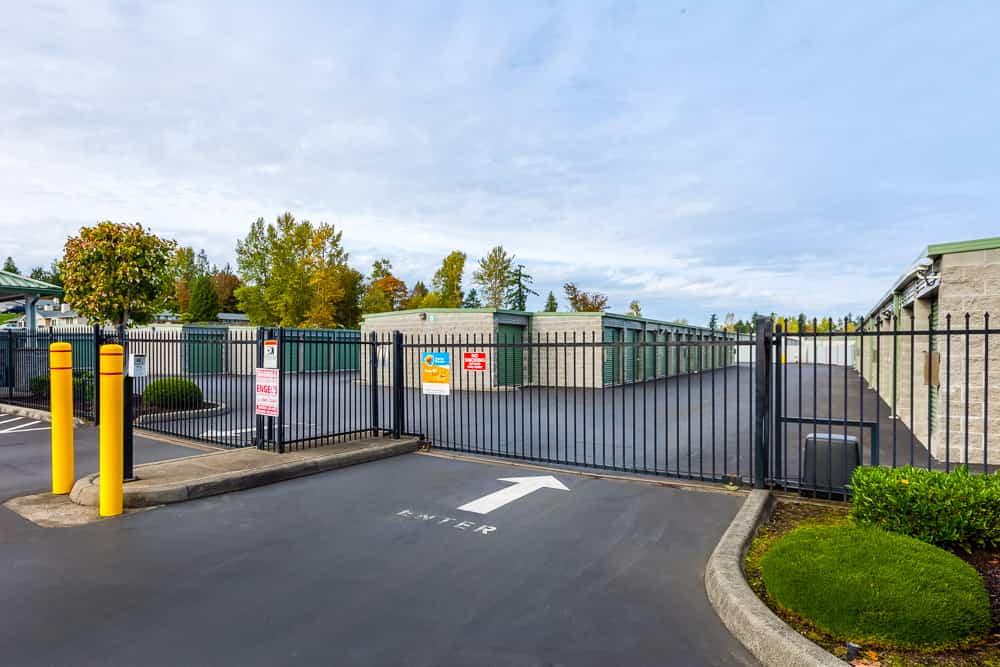
Not everything belongs in a standard storage unit. Consider which items on your list are sensitive or important and do not want to be affected by warm or cold temperatures. If you have items of this sort, consider looking for facilities with features such as climate-controlled or heated storage unit options.
Climate controlled storage units maintain consistent temperature and humidity year-round, keeping your belongings in the same condition as when you dropped them off. Heated storage units offer protection against cold temperatures and conditions if your main worry is cold conditions.
Temperature extremes and humidity can damage a lot of common household items, including electronics, wood furniture, artwork, documents, clothing and musical instruments. Standard (non-climate-controlled) storage units work perfectly fine for hardier items such as tools, outdoor gear, metal shelving, and similar things that aren’t sensitive to temperature swings.
Another popular option is drive-up access storage units. If you are moving heavy or bulky items, being able to pull your vehicle right up to the storage unit makes loading and unloading much less of a workout.
4. Learn about other renters’ experiences with the storage facility
One of the easiest ways to vet a storage facility is to see what other customers have to say. Online reviews on Google are a solid starting point — look for patterns rather than fixating on any single review. A facility with consistent praise for cleanliness, helpful staff, and easy access is a good sign. Repeated complaints about billing issues, poor lighting, or unresponsive management are worth taking seriously.
Pay attention to how the facility responds to negative reviews, too. A management team that takes the time to address concerns professionally usually reflects how they handle issues when you’re actually a customer. Word of mouth from friends, family, or neighbors who’ve used local facilities can also be really valuable — sometimes the best recommendation comes from someone you trust who’s been there firsthand.
5. Read the lease terms carefully
Despite how quickly you might want to sign your lease and get moving, it’s still important to read the fine print before committing.
A few things to pay attention to:
- How much notice do you need to give before moving out? Most facilities require a few days to a week.
- Are there any hidden fees? Think administrative fees, late payment fees, or mandatory insurance.
- What are the access hours? Some facilities offer 24/7 access, while others have set hours. Make sure the hours work with your schedule.
- Are there move-in promotions available? Many facilities offer discounts on the first month or two — it’s always worth asking.
- Do you need to acquire storage unit insurance? Most facilities require some form of insurance coverage for your belongings within your unit.
A straightforward, transparent lease is a good sign that you’re dealing with a reputable facility.
Finding the right fit doesn’t have to be complicated
Finding the right fit doesn’t have to be complicated. It really comes down to matching the facility’s features to your specific needs. Think about where you need to be, what you’re storing, how often you’ll visit, and what amenities you desire. Once you have a clear picture of your needs, the right facility becomes a lot easier to spot.
Urban Storage operates 85+ facilities across Washington, Oregon, New Mexico, Arizona, and Hawaii — so if you’re in one of those areas, we’d love to help you find the right fit. Check out our location finder to find a facility near you, or explore our storage unit size guide to find the size that works best for what you’re storing.

