Storage unit rentals come in all shapes and sizes, including spaces large enough for your vehicles. Storage options vary by storage facility and its location. Whether you have a classic car, a boat you only use in the summer, or a vacation RV that you simply do not have space for in your driveway, there are storage solutions to fit nearly every vehicle. In this guide, we’ll break down the most common vehicles people store, what kind of spaces they need, and some things to consider when choosing the right vehicle storage option.
Cars: The Most Common Vehicle Storage Need
Whether it’s a daily driver you’re keeping between moves or a seasonally driven classic, cars are one of the most frequently stored vehicles in self-storage facilities. The good news? Most facilities that offer vehicle storage allow cars, provided the unit is large enough and designed to accommodate them.
Types of Car Storage Options
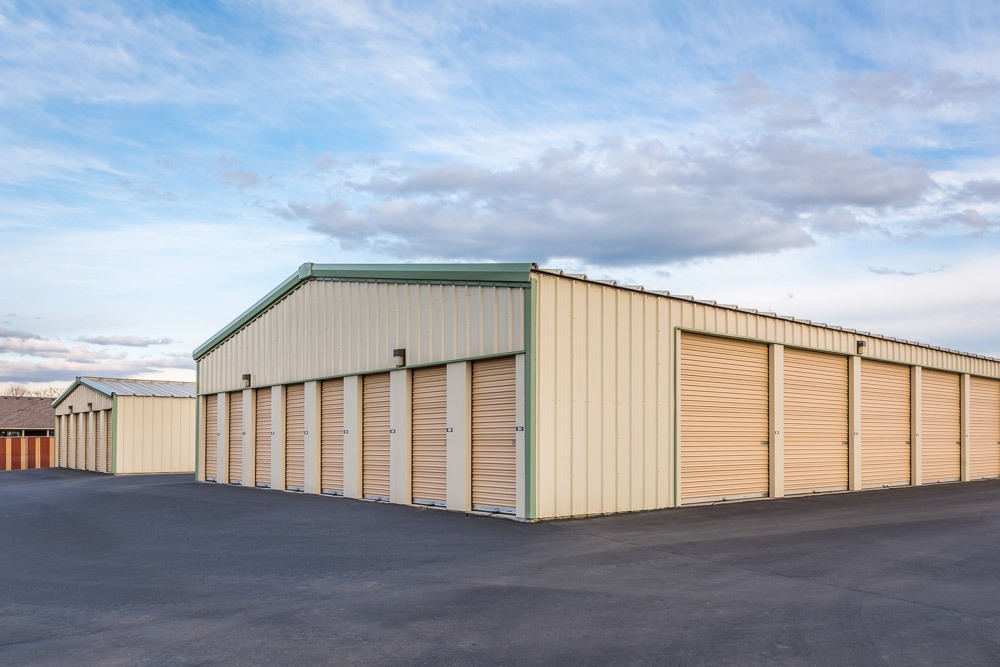
- Indoor Drive-Up Units – These are enclosed spaces similar to garages where you can pull your car directly inside. They’re excellent for protection against the weather.
- Outdoor Parking Spaces – For cars that are OK with exposure to the outdoor elements, outdoor spots are generally more affordable.
- Covered Outdoor Parking – A middle ground between indoor and open outdoor spots, covered spaces protect your car from sun, rain, and snow without fully enclosing it.
How Big Does a Unit Need to Be?
Most cars fit comfortably in a 10×20 unit, which gives you room to park and move around. Larger vehicles, such as trucks, may require 10×25 or 10×30 units. Always measure your car before renting and talk to your storage provider to make sure the unit door will open wide enough and accommodate your vehicle’s length.
Extras to Think About
- Proof of current vehicle registration and insurance may be required.
- Some facilities allow you to store personal items with your car (like tires or tools), but policies vary.
RVs: From Weekend Trips to Year-Round Home on Wheels
Recreational vehicles (RVs) are heroes of adventure, but they also take up room that you may not have at your residence. Or, your HOA does not allow RVs to be parked in your neighborhood. RV storage is widely available at many storage facilities, and you likely can find a local facility near you.
Common RV Storage Solutions
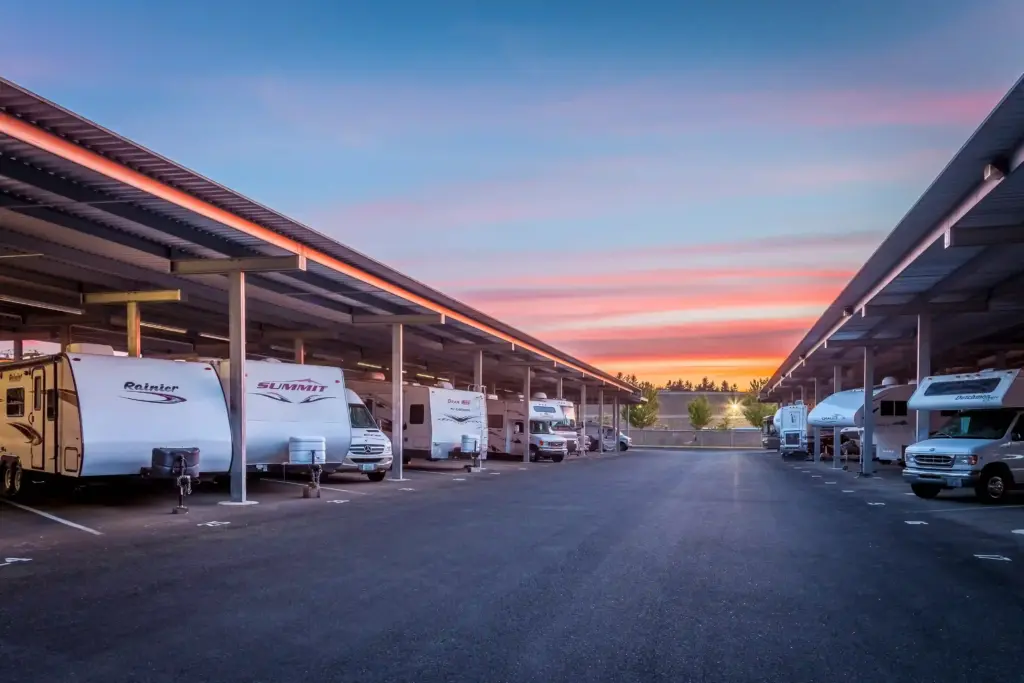
- Outdoor Parking Spaces – Many facilities have oversized outdoor parking spaces designed just for RVs. These are often the most affordable option and come in both covered and uncovered varieties.
- Outdoor Covered Parking – Provides added protection from sun, rain, and hail, which can be huge for RVs that spend weeks or months parked.
- Indoor RV Storage / Enclosed Units – If you have a smaller RV or want maximum protection, some facilities offer indoor spaces or large enclosed garages that fit RVs.
Things to Know Before You Park
- Make sure the spot you’re renting can handle the length and height of your RV (and any attached accessories on your van or RV, like bike racks).
- Some RV owners choose storage facilities with pull-through access, so hitching and unhitching becomes a breeze.
Boats: Stored Safely Off the Water
If you have a boat, particularly one you only use during certain seasons, vehicle storage is a smart way to free up space at home while protecting your investment. Most car and RV storage facilities can also store boats, trailers, or both.
Types of Boat Storage
- Indoor Boat Storage – Fully enclosed units provide your boat with maximum protection from the weather and UV damage.
- Outdoor Covered Storage – Boat storage with an overhead roof protects against sun and rain, but doesn’t enclose the boat on all sides.
- Open Outdoor Storage – The most budget-friendly option. With a good boat cover, this can be a solid choice for boats that are accessed often or don’t require climate-controlled protection. If you live in a location with little rainfall, you may be more inclined to consider this option.
Here’s a quick look at how covered and open boat storage compare:
| Feature | Covered Storage | Outdoor Open Storage |
| Weather Protection | Better | Minimal |
| Cost | Higher | Lower |
| Accessibility | Good | Easy access anytime |
| Space | Limited by canopy size | More flexible for large boats |
Prep Tips
Before storing your boat, it’s smart to clean it, drain the water systems, and use a boat cover once it’s fully dry to prevent mildew and dust from accumulating.
Trailers: Boat Trailers, Utility Trailers, and More
Trailers — whether they’re for boats, cargo, or utility use — can take up a lot of room in a yard or driveway. Fortunately, most self-storage facilities that offer vehicle storage allow trailers to be parked and stored.
Depending on the size of your trailer, you may choose:
- Outdoor Parking Spaces – Most trailers fit easily in outdoor areas at storage facilities.
- Covered Storage – A good option if you’re storing a trailer long-term.
- Indoor Storage Units – Some trailers may fit inside larger drive-up units, making it easy to back your trailer right into a secure and dry garage-style unit.
Other Vehicles You May Be Able to Store
Many storage facilities also allow other motorized vehicles in vehicle storage spaces, such as:
- Motorcycles and scooters
- ATVs and UTVs
- Snowmobiles
- Jet skis
Always check with your facility first; some locations have restrictions based on vehicle type, insurance, or condition.
Important Tips Before You Rent a Vehicle Storage Space
Ask About Size & Clearance
Be confident your vehicle will fit — and that you won’t scrape the ceiling or door frame when pulling in. Measure length, width, and height before committing.
Know the Facility Rules
Different facilities have different policies about:
- If they allow personal items to be stored along with the vehicle.
- How often will you be able to access your vehicle during storage? Each facility has different access hours.
- Does your vehicle need to be insured? Facilities may require you to have insurance for the vehicle and storage unit insurance. Some facilities, or your insurance company, may offer coverage that covers both.
Some facilities also require vehicles to be operational (or towable) so they aren’t stuck in the unit long-term.
Consider what type of vehicle protection you desire.
Indoor units tend to cost more, but they offer the best protection against weather, dust, and UV damage — which can save you money in maintenance over time.
Covered and outdoor spaces may be less expensive and easier to access, but they also expose your vehicle to wind, rain, snow, and sun.
Check security features offered at preferred storage facilities.
Look for facilities with:
- Gated access
- Video surveillance
- Onsite staff
- Good lighting outside the facility
These features help protect your investment, particularly if you’ll be storing valuable vehicles long-term.
Vehicle Storage Made Simple. Find a Location Near You
From cars to RVs to boats and trailers, vehicle storage units offer flexible solutions to keep your ride safe, secure, and out of your way when it’s not in use. Remember, choosing the right vehicle storage involves considering size, protection level, accessibility, and security, so make sure to talk to your storage facility before signing your rental agreement.
Urban Storage has over 80 locations across Washington, Oregon, New Mexico, and Arizona. Browse our locations to find vehicle storage near you. When you browse, you can even specify in your search whether you are looking for vehicle storage and what features you’d like your facility to have.

