Putting your boat away for the season takes more than just parking it and walking away. A little preparation now can leave your mind at ease throughout the off-seasons, knowing your boat is well-equipped for storage.
Now, here at Urban Storage, we aren’t necessarily boat experts. However, we are storage experts, and we know a lot about properly storing items to ensure they are found just as they were left. One major factor that could impact your preparation is the type of storage you have chosen: indoor, outdoor, or covered outdoor storage.
Overview of our Tips for Long-Term Boat Storage Preparation
- Clean your boat and clean it properly.
- Remove excess items from the boat (especially valuables or items that are unsafe).
- Examine and maintain the engine and fuel system
- Properly equip the boat trailer
Clean Your Boat and Clean it Properly
This step always comes first, and for good reason — a dirty boat in storage is an invitation for trouble. Salt, dirt, and grime left on the hull can cause corrosion over time, while food residue, moisture, and organic buildup inside the cabin are exactly what mold and pests look for.
Start with the exterior of the boat. Give the hull a thorough wash to remove salt, algae, and grime, then dry it completely before applying wax for added protection. Pay extra attention to areas that tend to accumulate buildup, such as the bilge and engine compartment.
Secondly, clean the interior of the boat. Remove anything perishable, vacuum carpets and upholstery, and wipe down all surfaces. Open lockers and compartments to air out, and leave a few cabinets or hatches slightly cracked once everything is dry; trapped moisture in an enclosed boat is one of the most common causes of mildew during storage.
Remove Excess Items From the Boat
Before storage, it’s the right time to think critically about what you’re leaving aboard.
Pull out any electronics you can easily remove: handheld GPS units, fish finders, portable speakers, and marine radios. Cold and moisture are also hard on electronics.
More importantly, there’s a category of items that can become genuinely dangerous in storage: pressurized canisters and flammable materials. Fire extinguishers, flare kits, aerosol sprays, propane canisters, and similar pressurized items should be removed from the boat. Extreme cold can affect the integrity of pressurized containers, and fire extinguishers should be inspected and replaced on a regular schedule anyway; storage is a good time to handle that.
Other things worth pulling out:
- Life jackets and PFDs (store them somewhere dry at home so they don’t degrade)
- Fishing gear, tackle boxes, and rods.
- Ropes, fenders, and dock lines (these last longer when stored out of UV and weather),
- Seat cushions, if you have removable ones, can be stored inside to extend their life.
- Any food, drinks, or snacks (even sealed ones — rodents don’t care about sealed packaging).
Take Care of the Engine and Fuel System
Engine prep is the step boat owners are most likely to skip — and the one most likely to lead to expensive repairs if it’s skipped.
- Change the oil and filter. Used oil retains combustion byproducts and contaminants that can corrode engine internals during prolonged storage.
- Stabilize the fuel. A tank left partially full over the winter can develop condensation, leading to water in the fuel. Top off the tank, as a full tank leaves less room for moisture.
- Flush the cooling system. For outboard engines, flush the engine with fresh water using a set of flushing muffs — this clears out salt, sediment, and debris. For boats stored in climates that see freezing temperatures, this step is critical: any water left in the cooling system can freeze, expand, and crack the engine block or manifold. That’s a very expensive mistake.
- Disconnect or maintain the battery. A battery left connected and sitting for months will slowly discharge and sulfate, permanently reducing its capacity.
If any of this sounds outside your comfort zone, a marine mechanic can handle full engine winterization for you.
Properly Equip the Boat Trailer
Most boat owners focus entirely on the boat and treat their trailer as an afterthought, but if your boat lives on a trailer in storage (and most do), the trailer deserves its own walkthrough before you park it for the season.
- Tires. Trailer tires are prone to developing flat spots when they sit in one position under load for months at a time. Inflate them to the manufacturer’s recommended PSI before storage — a properly inflated tire holds its shape better than an underinflated one. If the boat is going into long-term outdoor storage, add trailer tire covers to block UV exposure. Sunlight degrades rubber faster than most people realize, and a cracked or dry-rotted tire can fail under load even if it looks fine at a glance.
- Wheel bearings. This trailer component can cause headaches on the water, and it’s almost always due to being ignored during the off-season. Before storage, check that the bearings are packed with fresh grease.
- Lights and wiring. Saltwater and moisture work their way into trailer light connections over time, causing corrosion that can lead to shorts or complete failure. Disconnect the wiring harness and inspect the plug and sockets for corrosion or damaged wires.
- Hitch and safety chains. Inspect the coupler for wear and make sure it latches securely. Check the safety chains for any links that look stretched, cracked, or heavily rusted. These are your last line of defense if the trailer ever comes loose from the hitch, so they’re not something to overlook.
- Frame and bunk condition. Look the frame over for rust, especially at welds and joints. Also check the bunks or rollers your boat rests on — worn or deteriorated bunks can cause the hull to sit unevenly, which puts stress on the boat during long storage periods.
Types of Boat Storage: Indoor, Outdoor, and Outdoor Covered
Once your boat is clean and the engine’s squared away, the next decision is where it’s actually going to sit for the next few months. Generally speaking, you’ve got three options:
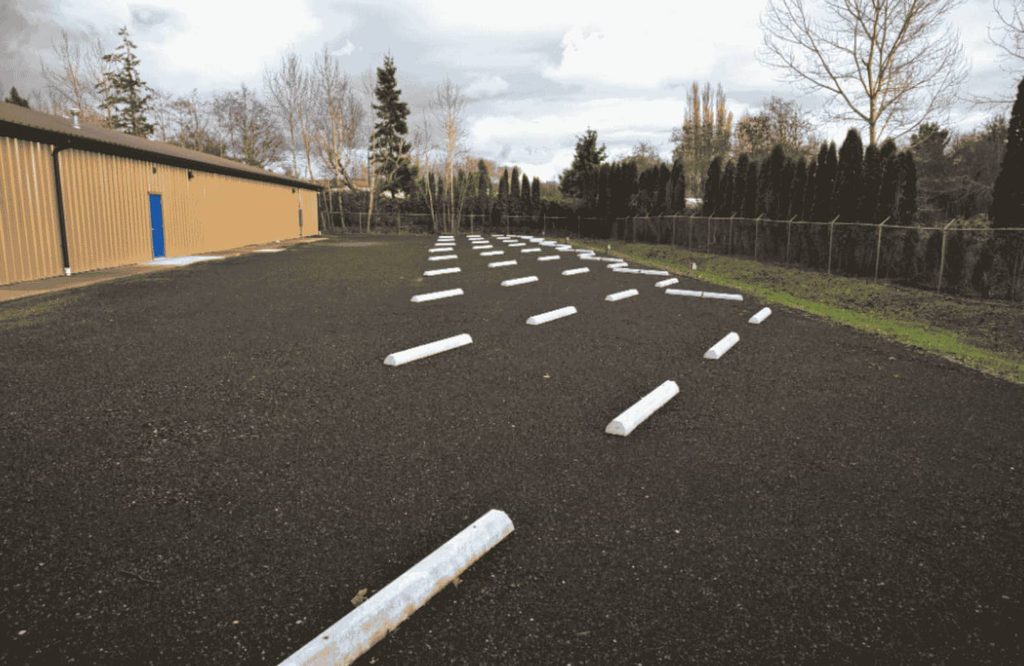
Outdoor storage means parking your boat in an open lot without overhead cover. It’s typically the most affordable option and gives you the most flexibility to hitch up and head out whenever you want, but it also means full exposure to sun, rain, and temperature swings. Depending on where you are located, the weather may fluctuate to extremes during your storage period.
Outdoor covered storage adds a roof, usually a carport-style structure, over an otherwise open space. You get a meaningful amount of protection from rain, snow, and UV rays without paying for a fully enclosed unit, making it a solid middle-ground option for many boat owners.
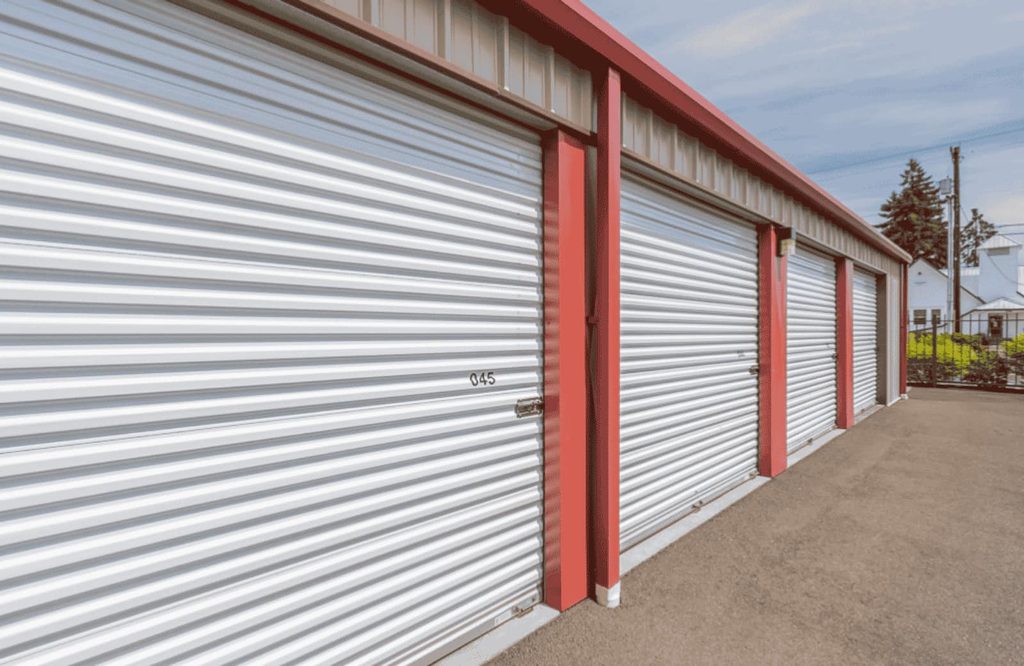
Indoor storage means your boat is in a fully enclosed unit similar to a garage, completely shielded from the elements. It’s the most protective option and a smart choice if you’re storing a higher-value boat, live in an area with extreme weather conditions, or simply want the most peace of mind. Still, it usually costs more and may come with size restrictions depending on the unit.
There’s no universally “right” choice here. It comes down to your boat, your budget, and how much you’re willing to trade convenience for protection. If you’re still weighing indoor versus outdoor storage for your specific situation, our guide on indoor vs. outdoor boat storage breaks down the trade-offs in more depth, and our covered vs. outdoor boat storage comparison can help if you’re deciding between those two specifically.
How Boat Storage Prep Looks Different Indoors vs. Outdoors
You may decide that some steps in preparing your boat for storage are unnecessary when it is stored indoors, which may be less vulnerable to outdoor elements such as wind, precipitation, and fluctuating temperatures.
If you’re storing your boat outdoors (covered or open):
- Invest in a high-quality, breathable boat cover. This is non-negotiable for outdoor storage. A snug, well-fitting cover keeps out rain and debris while still allowing moisture to escape, so it doesn’t get trapped against the hull.
- Check that your cover is properly secured. A loose cover can flap in the wind, work itself loose, or rub against the boat’s finish.
- Plan for more frequent maintenance check-ins. The number of times you check on your boat during storage depends on your preference and your schedule. It may be an every-other-month check or simply checking in on it after any extreme weather. Sun, wind, and weather cycles mean more wear over time, so periodic washdowns and inspections matter more outdoors than indoors.
If you’re storing indoors:
- You can skip the heavy-duty weatherproof cover. A lighter dust cover is usually enough since the boat isn’t exposed to rain or direct sun.
- Leave a little airflow anyway. Even indoors, a fully sealed boat with zero ventilation can trap humidity. Cracking a hatch or using moisture absorbers helps prevent mildew in an enclosed space.
The core prep, such as cleaning, engine work, and fuel stabilization, does not change based on where you store.
A Few Final Checks Before You Walk Away
Before you close it up for the season, run through this last pass:
- Ensure you have removed items from the boat that are valuable, such as electronics, or unsafe to leave aboard.
- Inspect the hull and deck for any damage from the season; dings, cracks, or worn spots are easier to address now than to discover (and potentially pay more to fix) next spring.
- Ensure you have an open air vent to prevent mildew or mold growth caused by humidity.
- Seal pest entry points. Block exhaust ports, intakes, and any other openings with steel wool or foam. Mice in particular will find their way into a boat’s wiring and upholstery if given the chance.
- Check the trailer. Inflate the tires to the recommended PSI, consider adding wheel covers if it’s going outdoors, and inspect the lights, hitch, and safety chains.
- Document the condition. Take a few photos of the boat before storage. If anything changes while it’s in the facility, you’ll have a baseline to reference.
A couple of hours of prep now means your boat comes out of storage ready to go — not ready for a repair shop.
Finding the Right Boat Storage Solution
Once your boat is prepped, the last piece is finding a boat storage facility that fits your needs — whether that’s outdoor parking, covered spaces, or a fully enclosed unit.
Urban Storage has locations across Washington, Oregon, New Mexico, Arizona, and Hawaii, offering boat storage options to suit different needs and budgets. Find a storage facility near you to see what’s available.

